

The Creaking Chair Economy — Who Is Paying for Britain's Debt? | 14 Gates Series | 25 September 2026

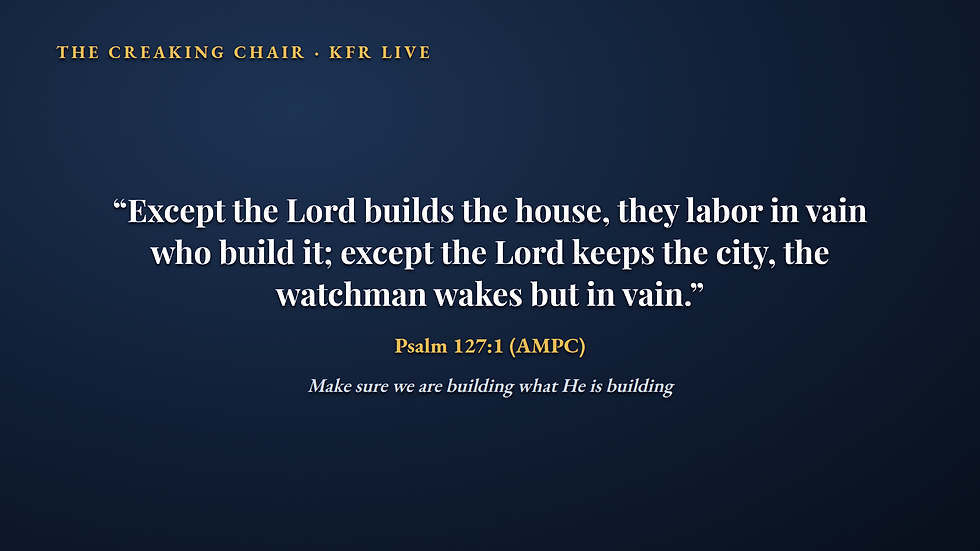
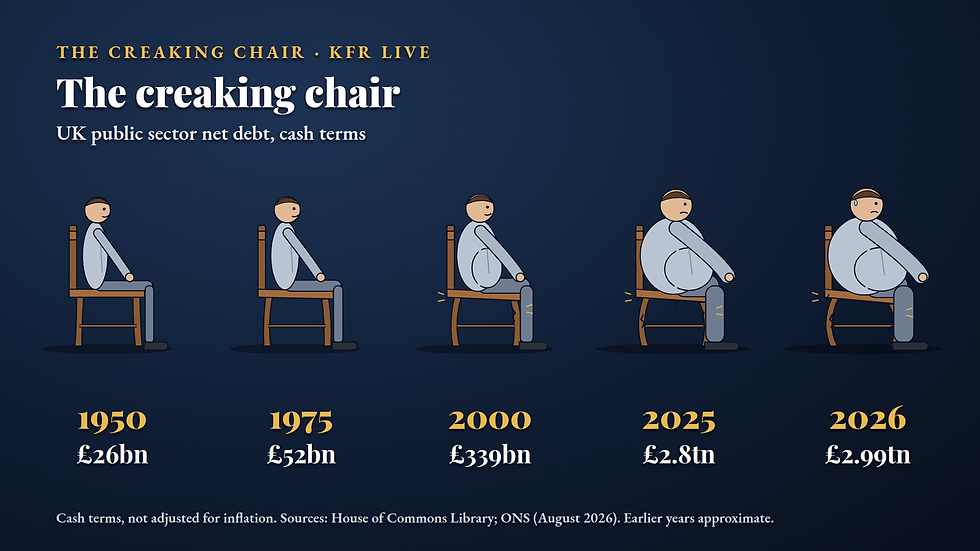
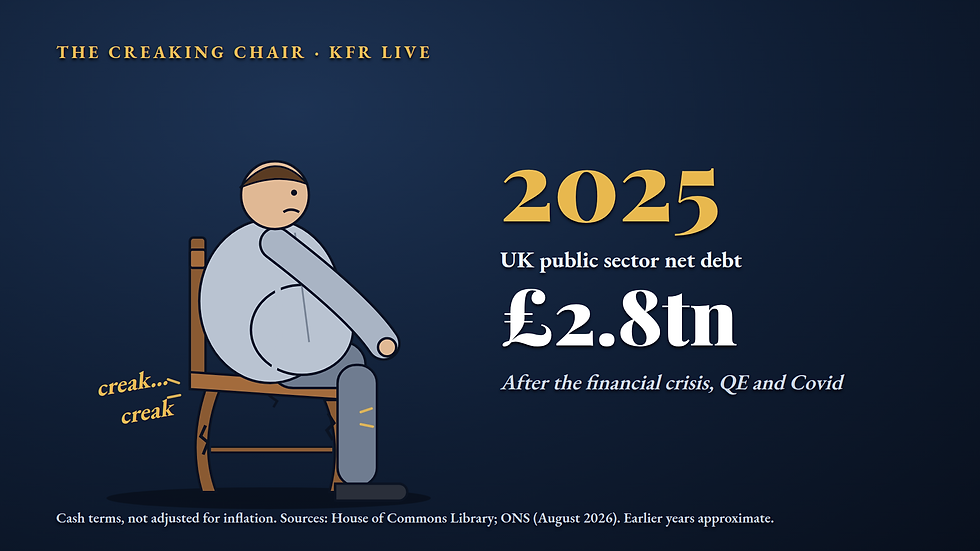
In June last year I described the financial system as a creaking chair. A chair can creak for a very long time. You tighten a screw, brace a leg, shift the weight or put something underneath it, and it keeps standing. Nobody honestly knows the date it gives way, and I am not suggesting one. The creak tells you something else and the question for Britain is how much weight its chair is now carrying and who is being asked to hold it up.
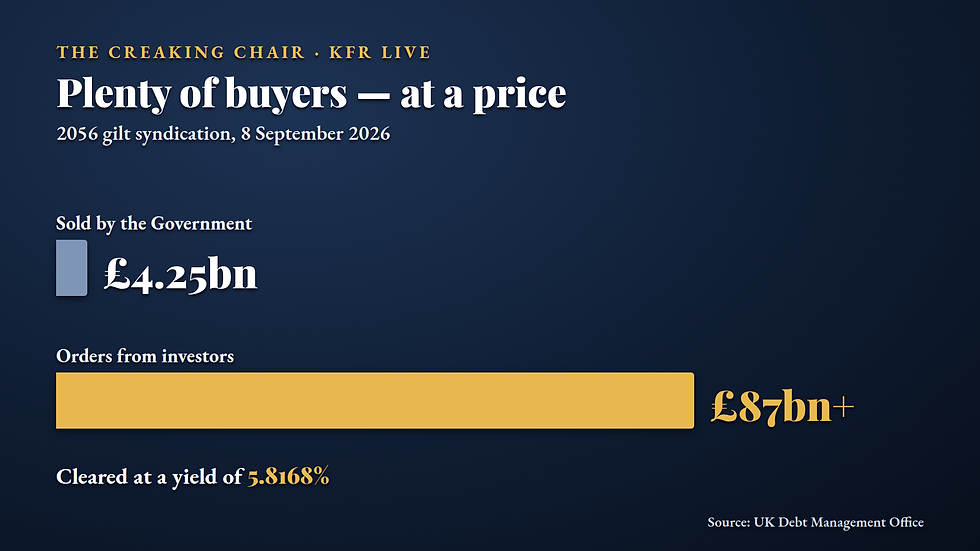
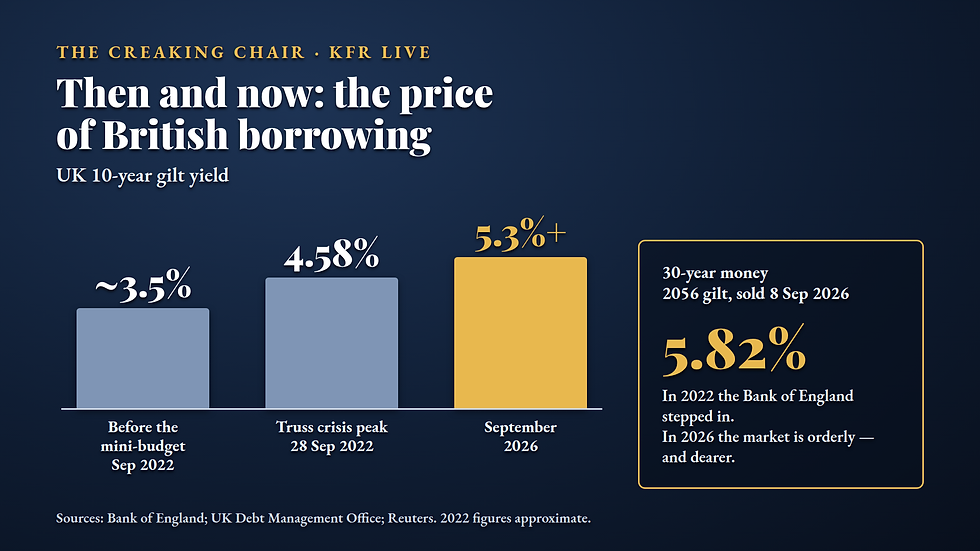
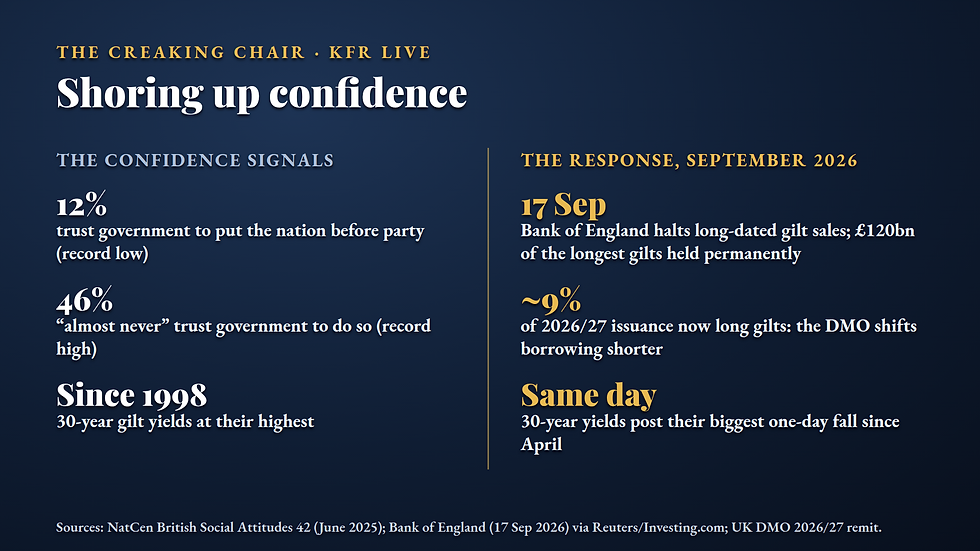
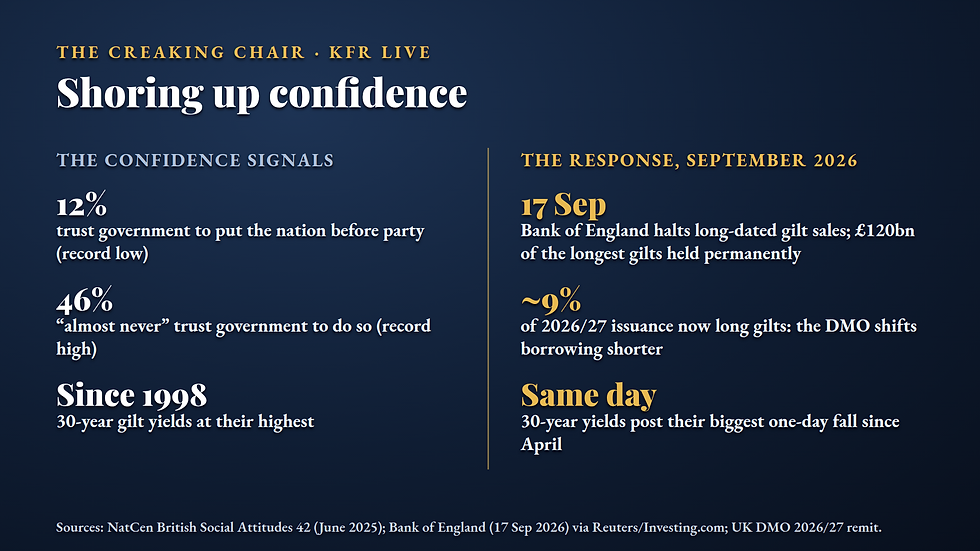
In September 2022 the 10-year gilt yield stood at around 3.5% before the mini-budget and reached roughly 4.58% at the height of the crisis that brought down the Truss government. Today it is above 5.3%, the highest since 2007. The market is orderly, the Government can borrow, and the 2056 gilt sale on 8 September drew more than £87 billion of orders. Orderly does not mean cheap. That gilt priced at 5.8168%, and Britain has committed to paying it for 30 years.
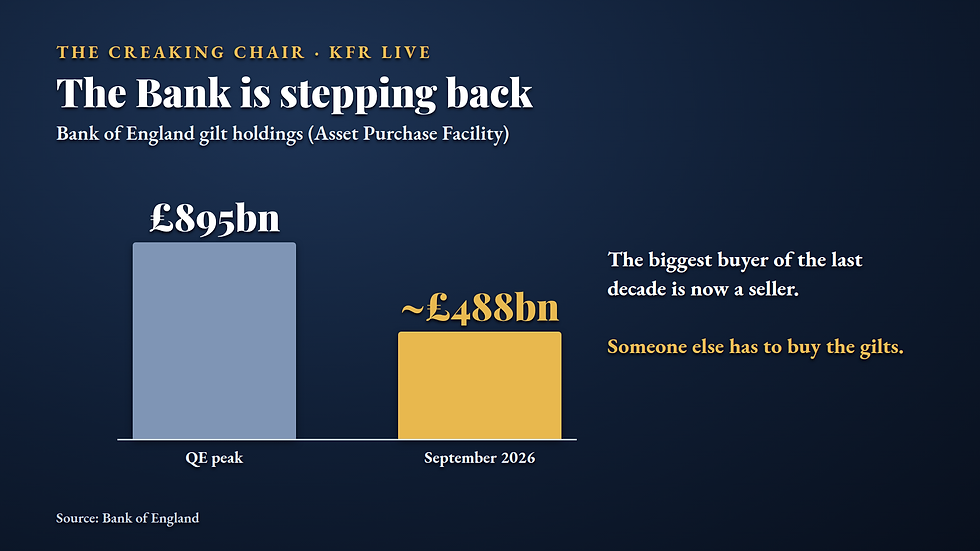
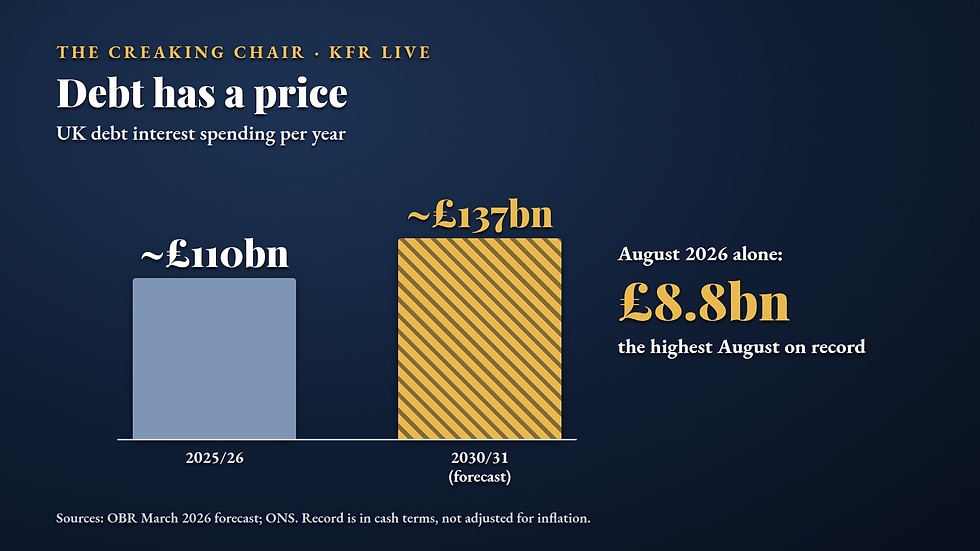
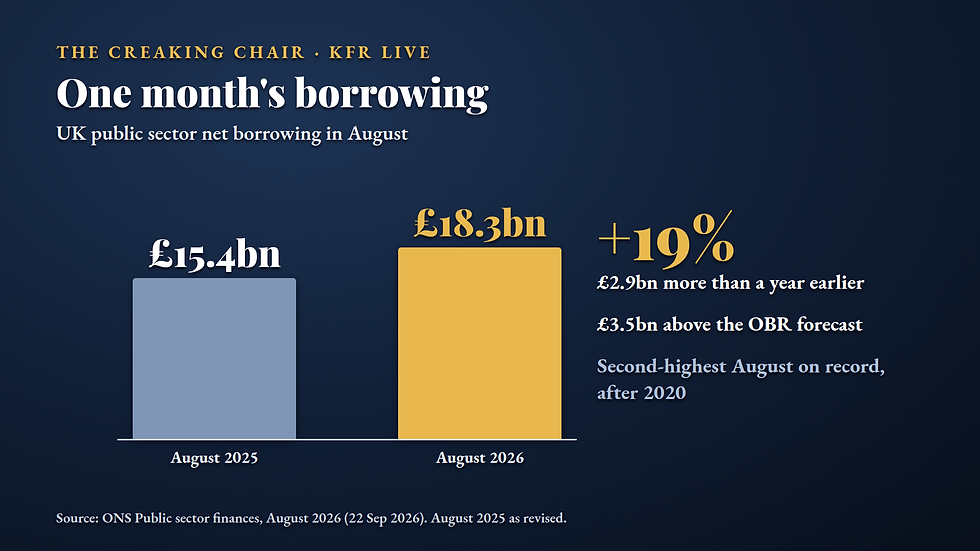
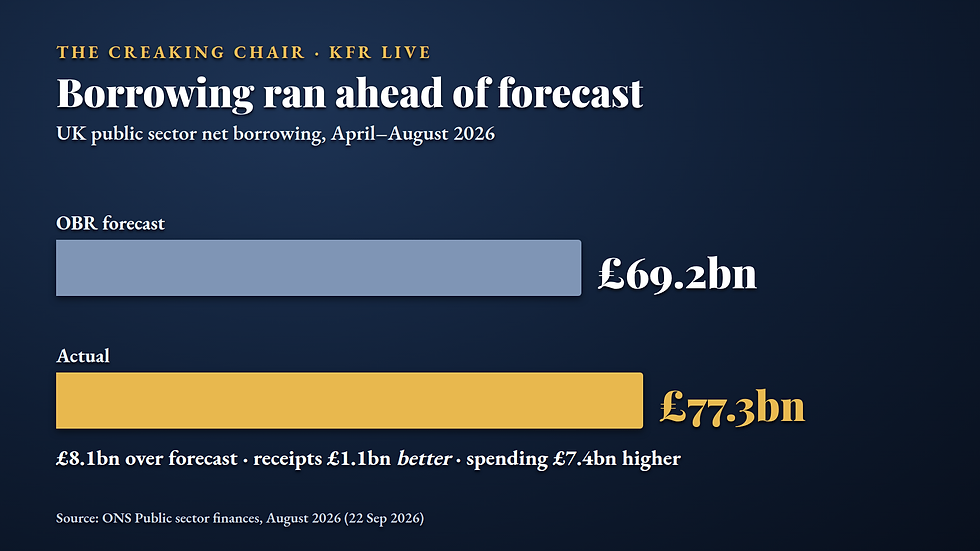
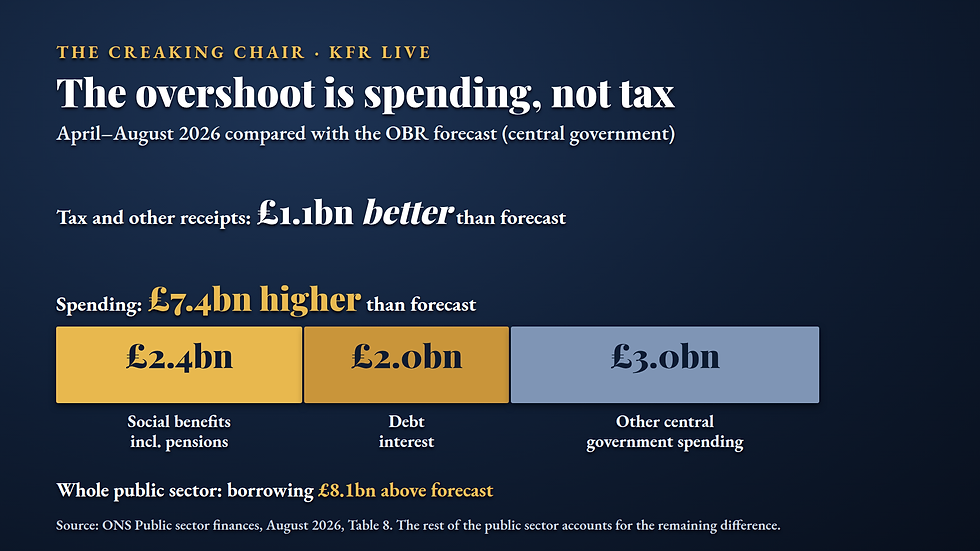
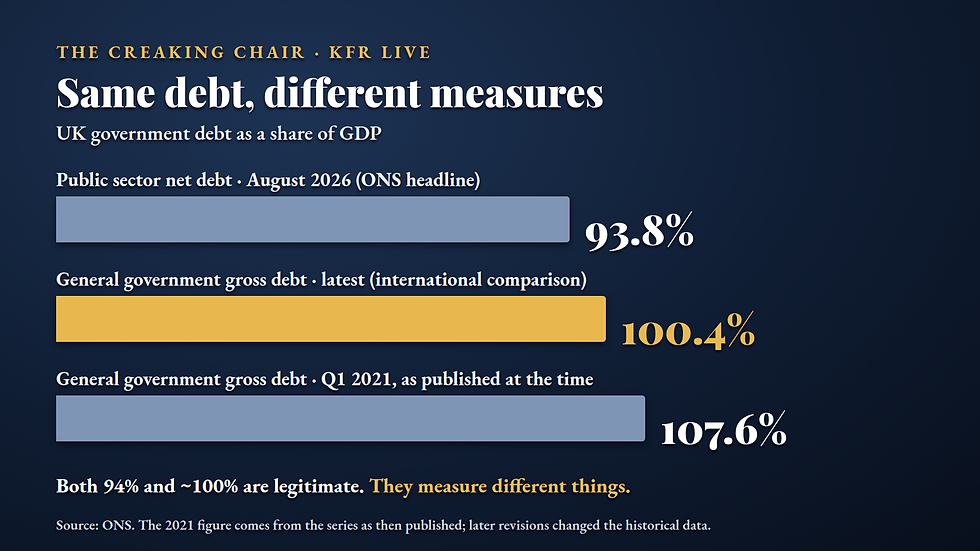
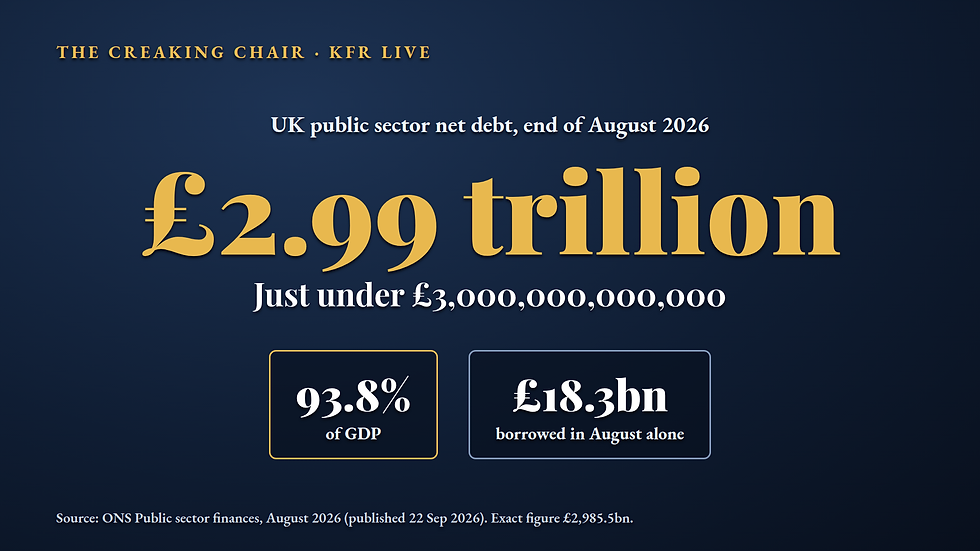
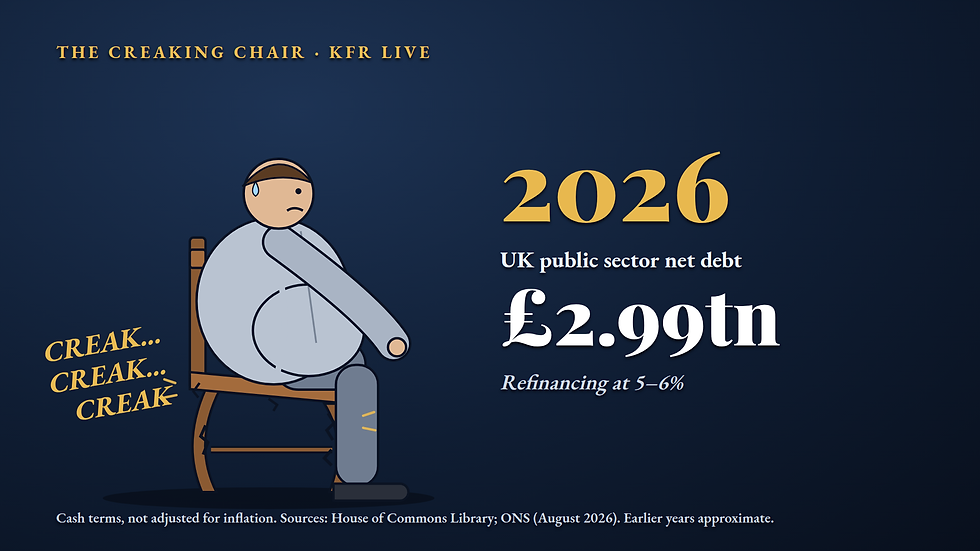
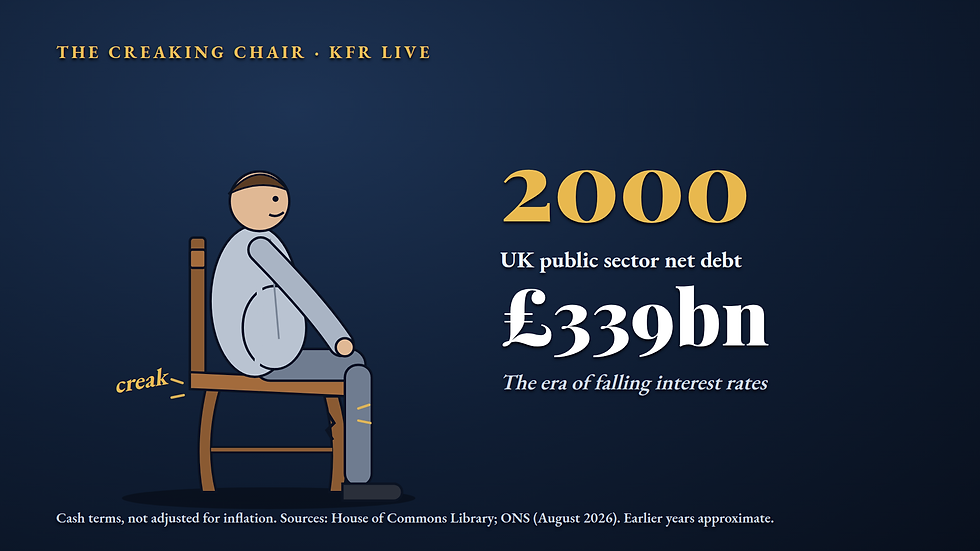
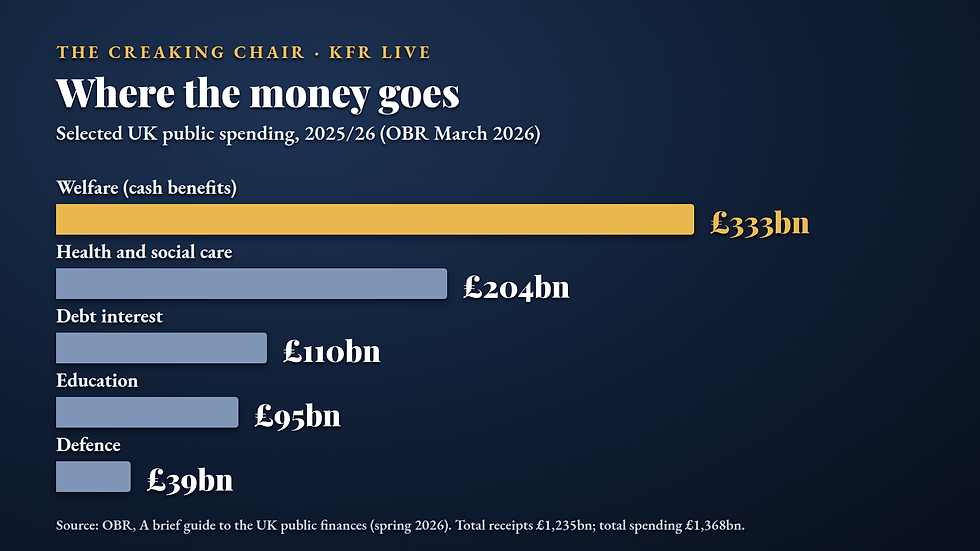
Look at the load. Public sector net debt stands close to £3 trillion. August borrowing came in at £18.3 billion, £8.1 billion more than forecast, and the overshoot came on the spending side. Debt interest is on course for £137 billion a year, while a large stock of debt issued in the years of cheap money has to be refinanced at today's rates. The Bank of England, which bought gilts for over a decade, had been reducing its holdings, and on 17 September it paused those sales until April 2027 and stopped active sales of long-dated gilts altogether. When the central bank steps back, someone else has to buy, and they ask a higher return for doing so.
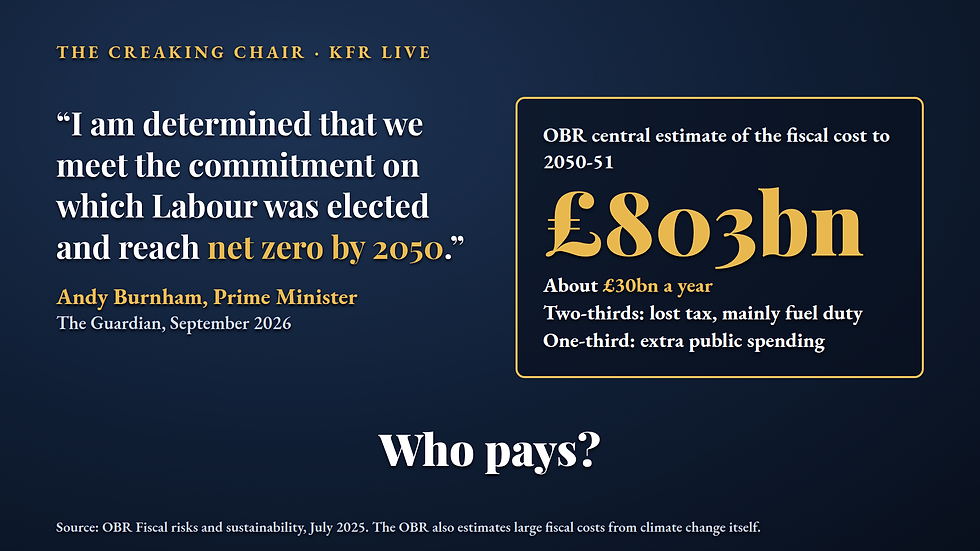
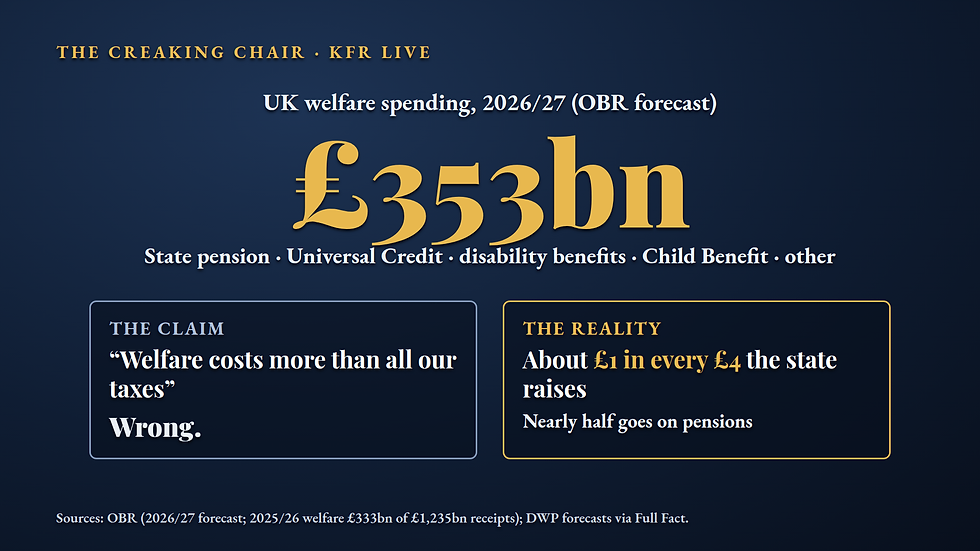
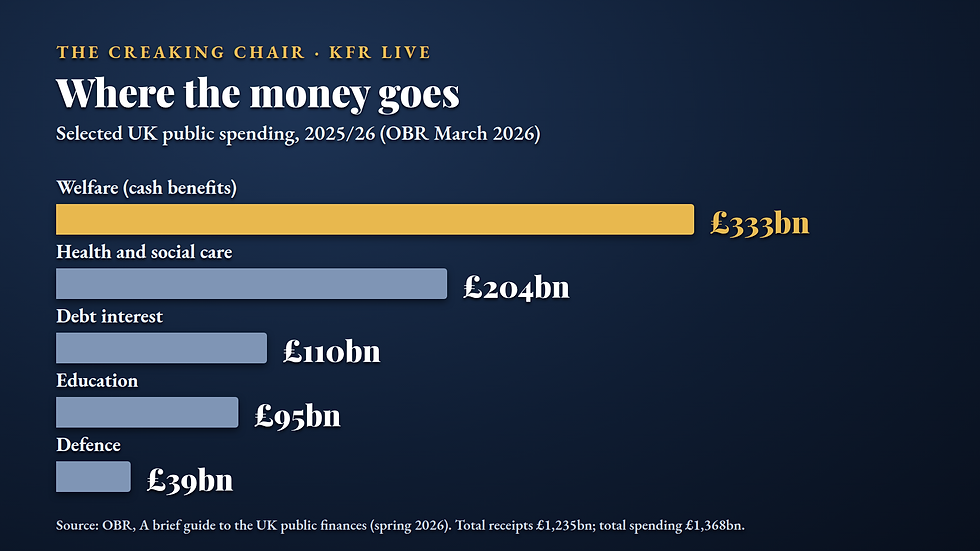
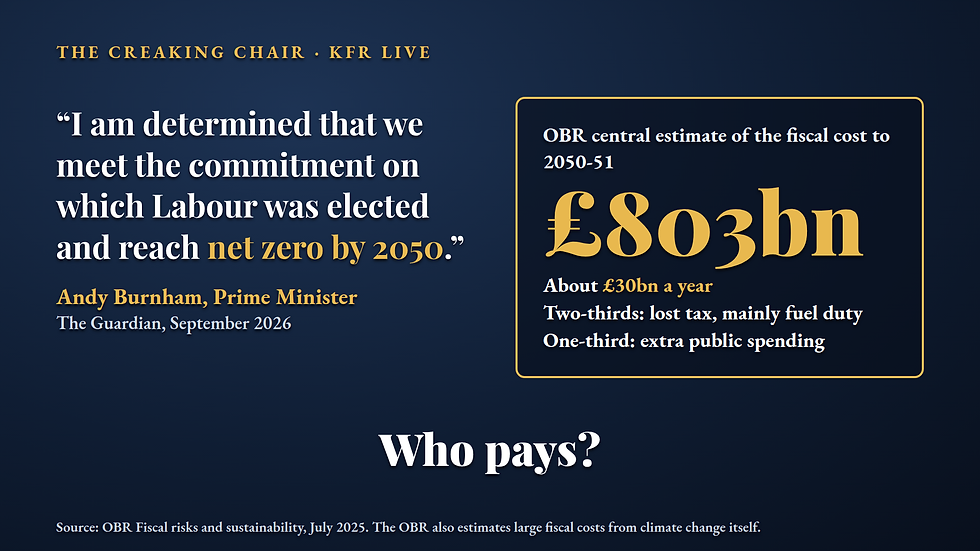
Then add the commitments layered on top. The welfare bill alone exceeds £330 billion a year. The Office for Budget Responsibility puts the fiscal cost of Net Zero at £803 billion. Regulation carries a cost of its own. Each is presented as policy, and each raises the same Kingdom Finance question: who pays?
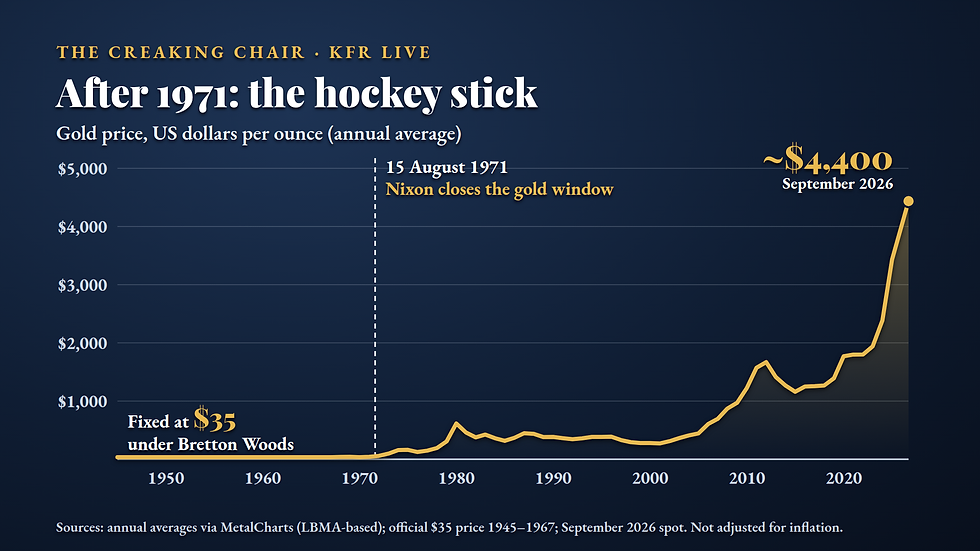
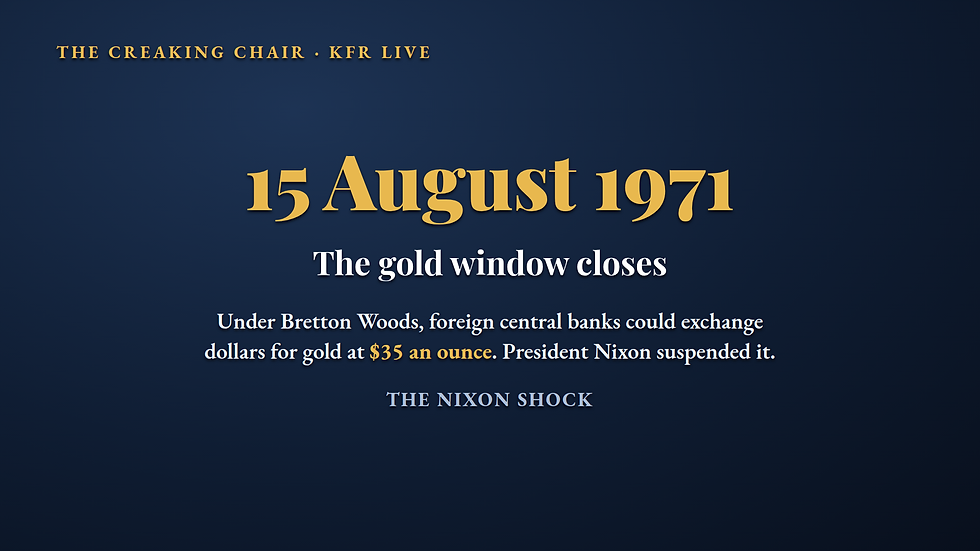
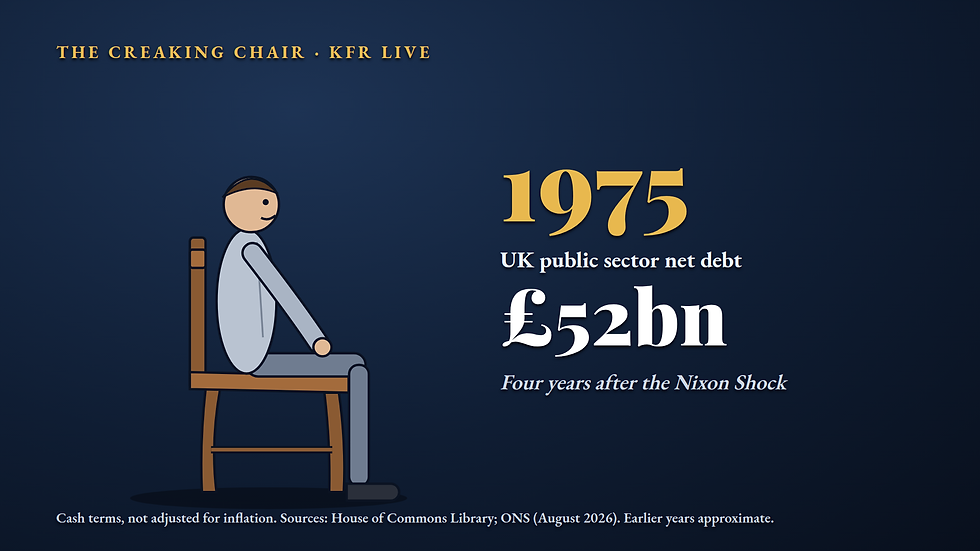
To understand how the chair came to carry this much, go back to 15 August 1971. That night the dollar's last link to gold was cut and money lost its fixed measure. The system that followed proved remarkably flexible, which is one reason it has lasted. Governments could respond to crises in ways a hard external constraint would never have allowed. But once that constraint was gone, discipline had to come from institutions, from fiscal and monetary policy, from markets, and finally from confidence.
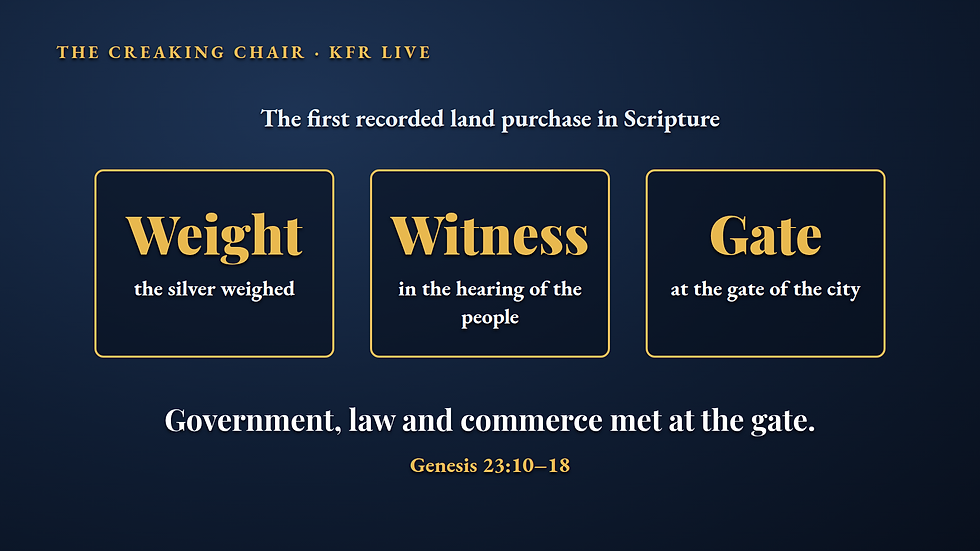
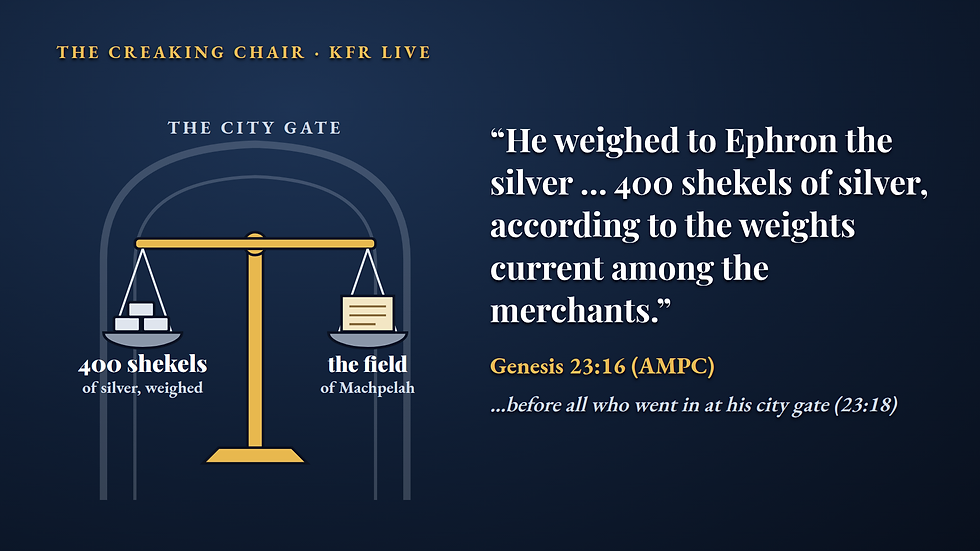
Scripture has a great deal to say about that. When Abraham buys the field of Machpelah, he does it at the city gate in the hearing of the people:
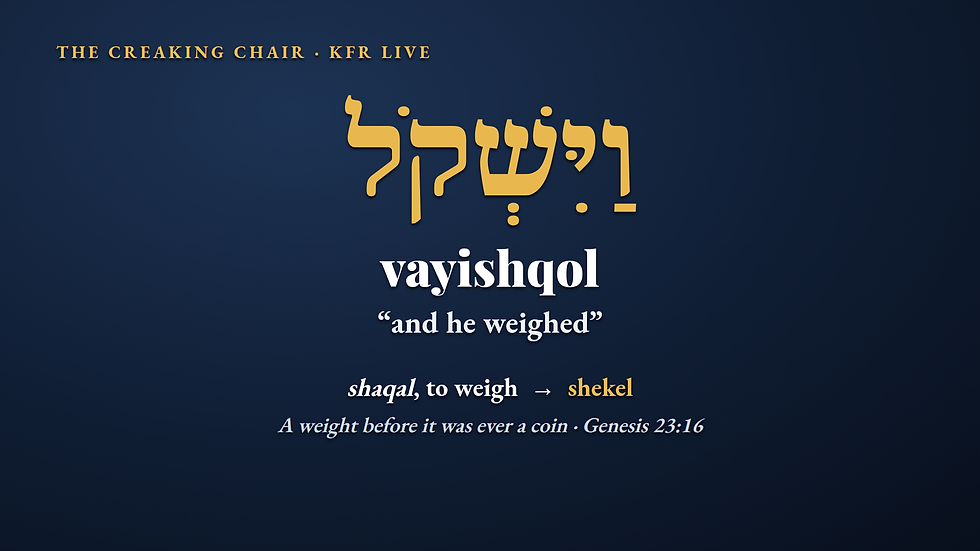
Abraham listened to Ephron; and Abraham weighed to Ephron the silver which he had named in the hearing of the Hittites, 400 shekels of silver, current [money] with the merchant. Genesis 23:16, Amplified.
Exchange, weight, public verification at the gate define economics, very early in the Bible. The law then makes the standard explicit:
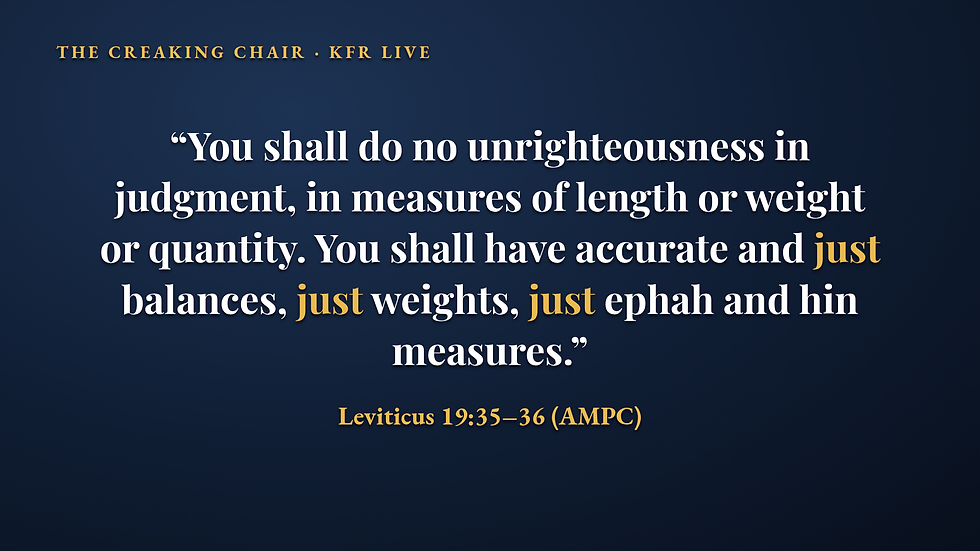
You shall do no unrighteousness in judgment, in measures of length or weight or quantity. You shall have accurate and just balances, just weights, just ephah and hin measures. Leviticus 19:35-36, Amplified.
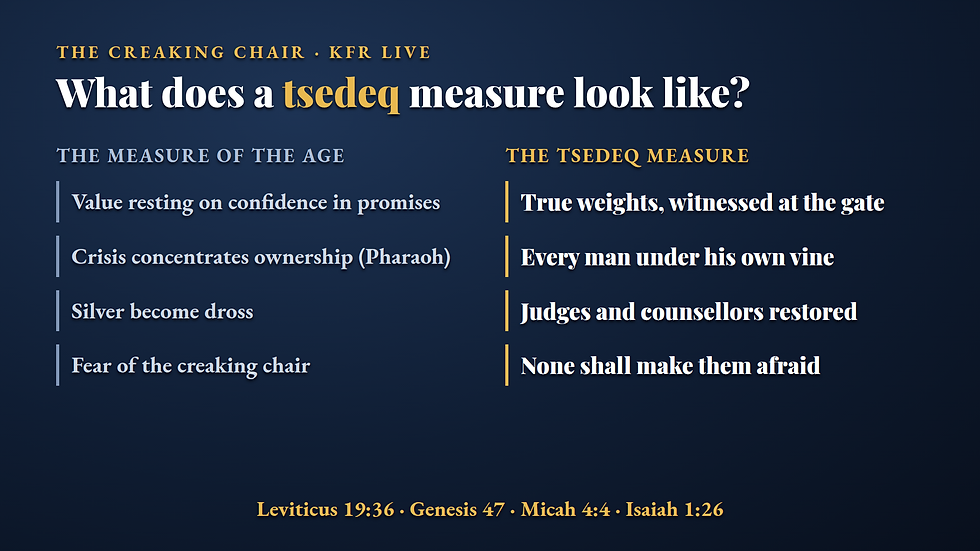
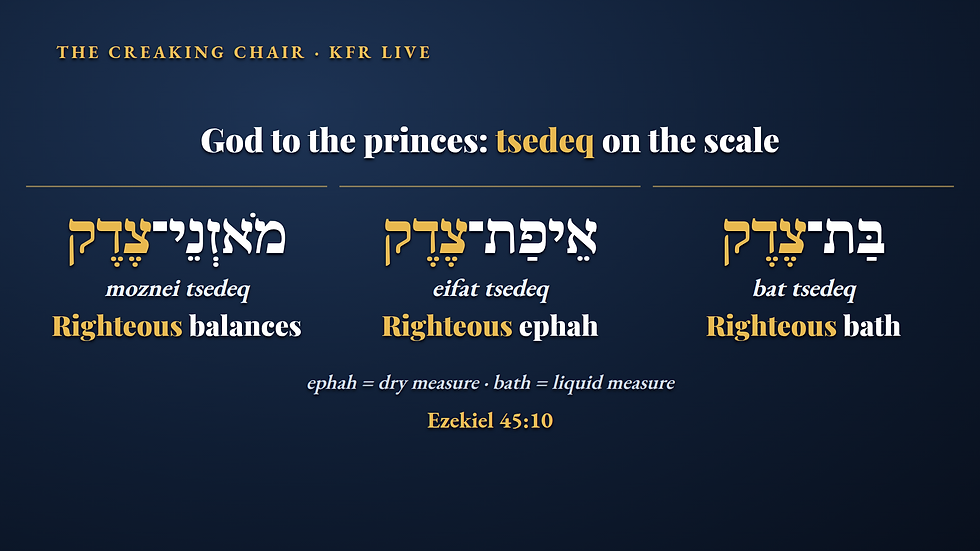
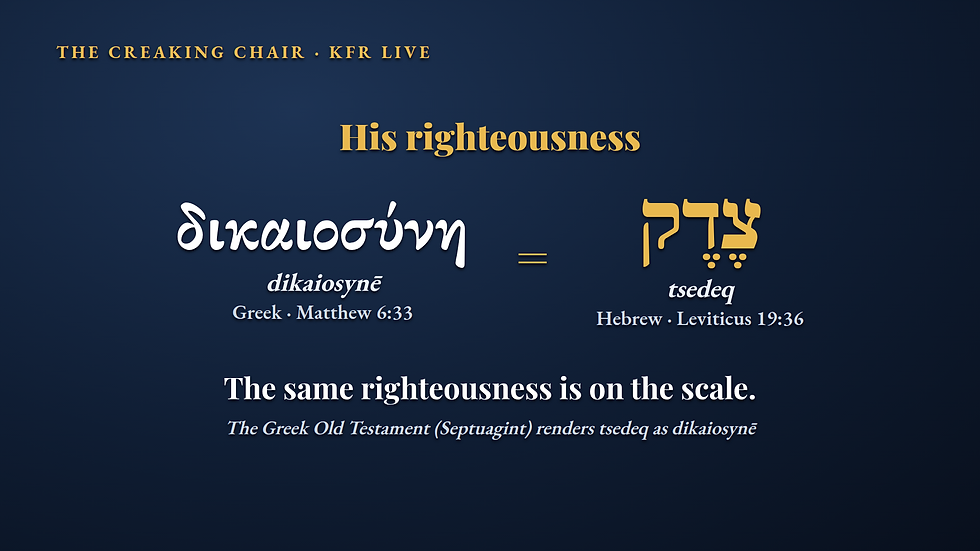
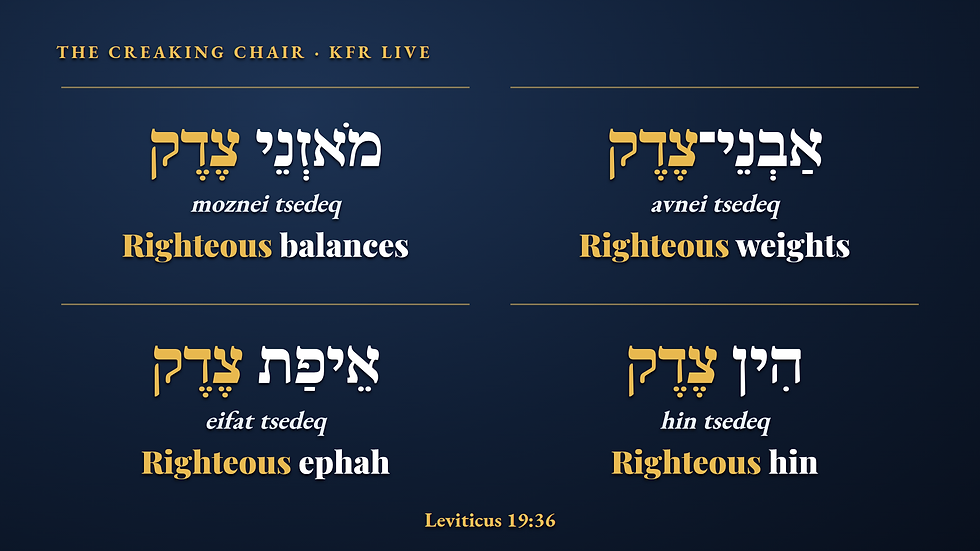
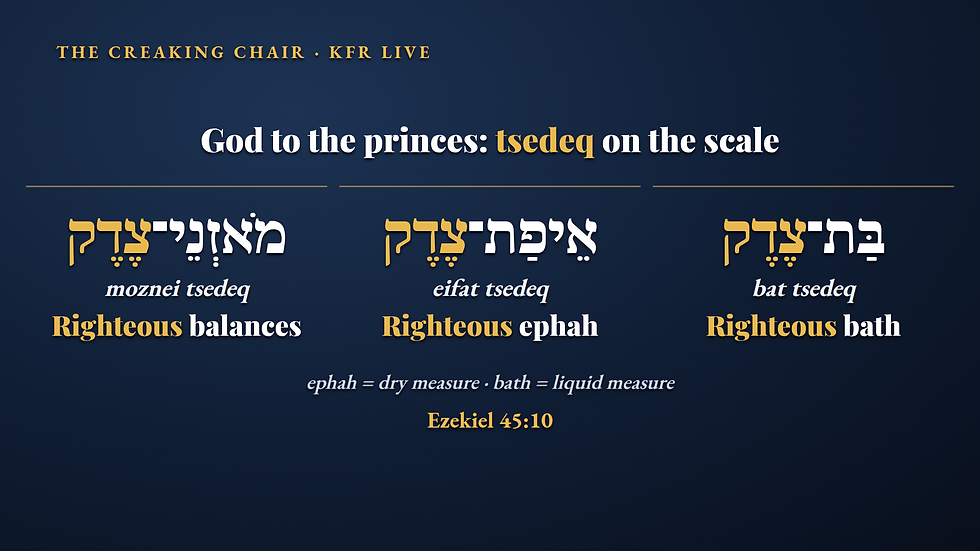
The Hebrew of verse 36 uses tsedeq, righteousness, four times:
moznei tsedeq, avnei tsedeq, eifat tsedeq, hin tsedeq;
Righteous balances, righteous weights, a righteous ephah and a righteous hin.
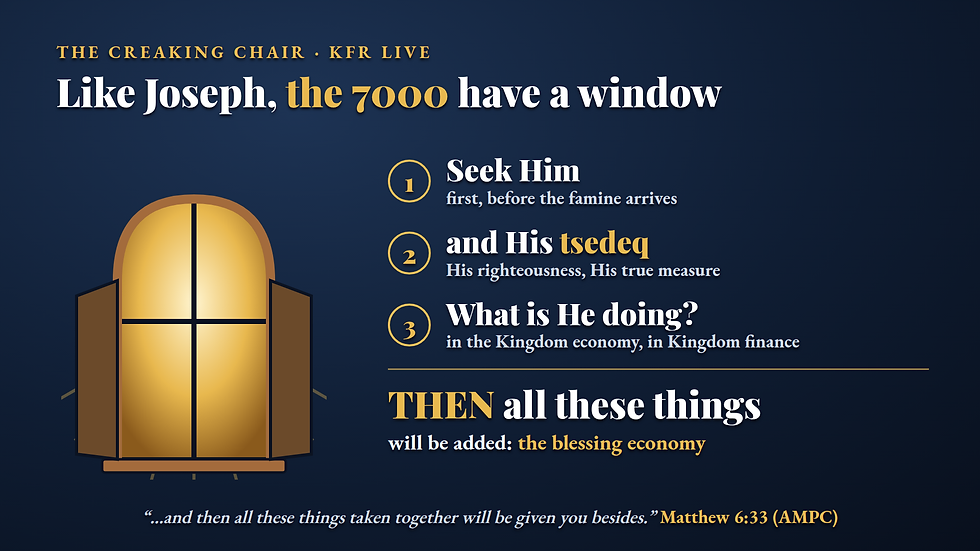
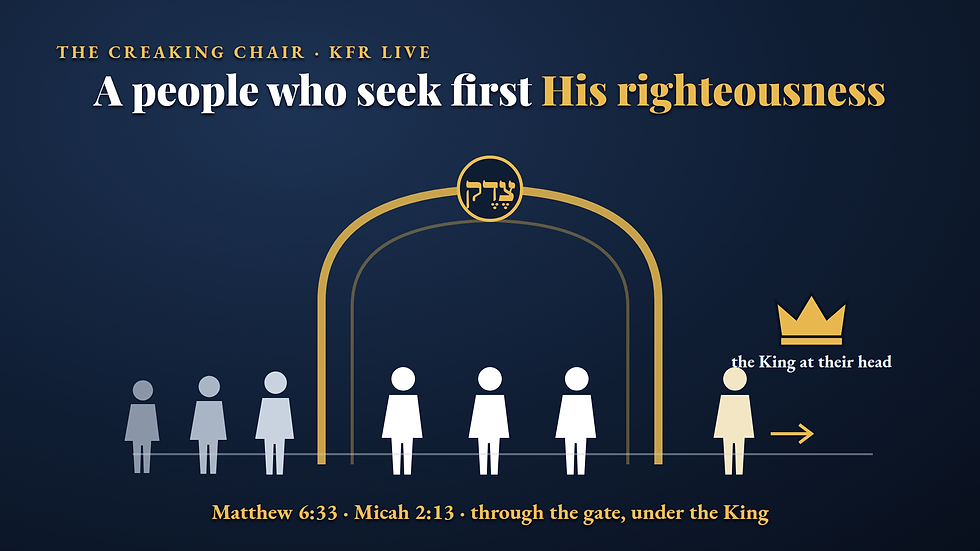
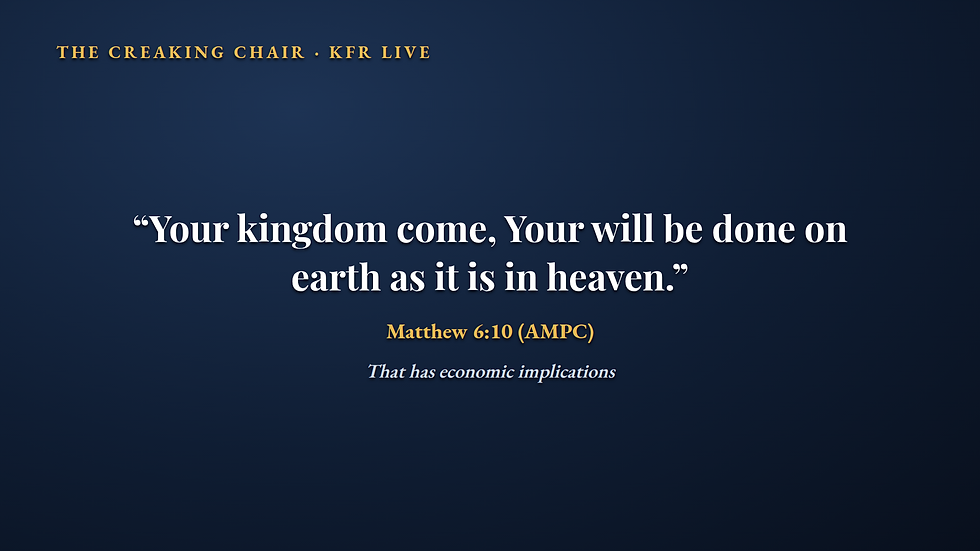
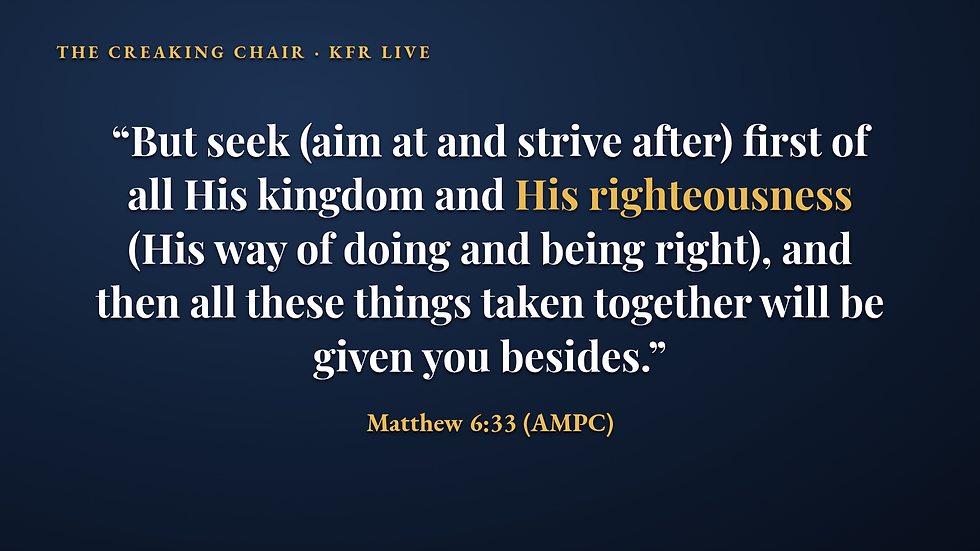
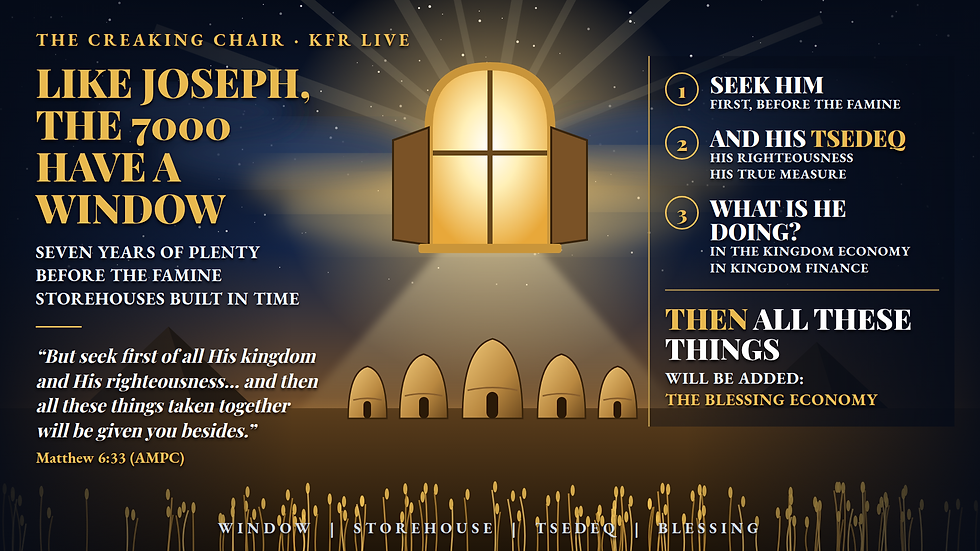
So when Jesus tells His people to seek first His Kingdom and His righteousness, the word reaches into the scale, the measure, the terms of exchange and the way value is accounted for:
But seek (aim at and strive after) first of all His kingdom and His righteousness (His way of doing and being right), and then all these things taken together will be given you besides. Matthew 6:33, Amplified.
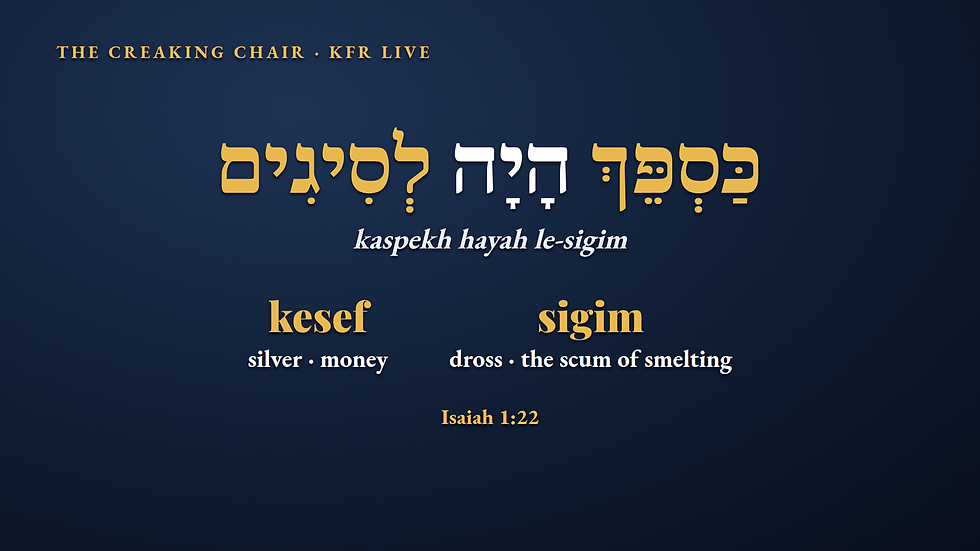
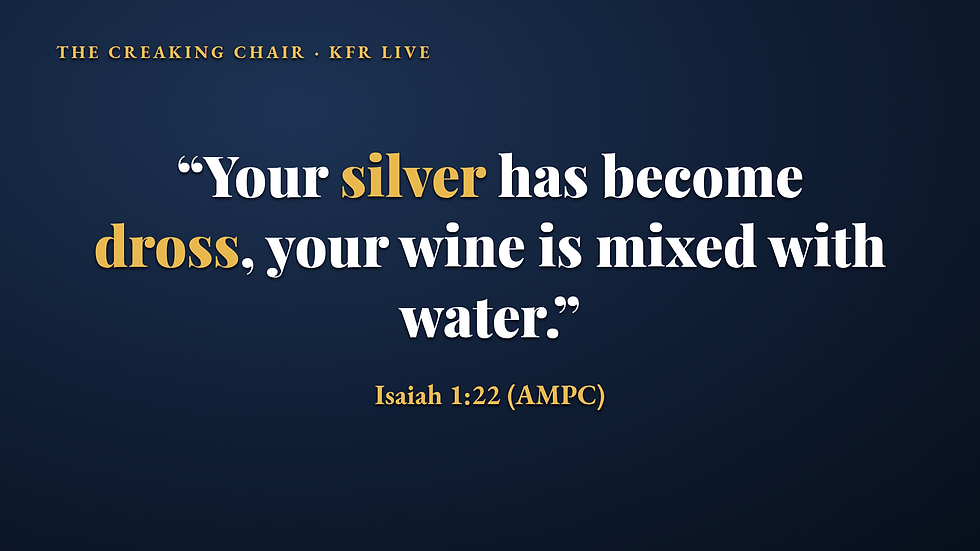
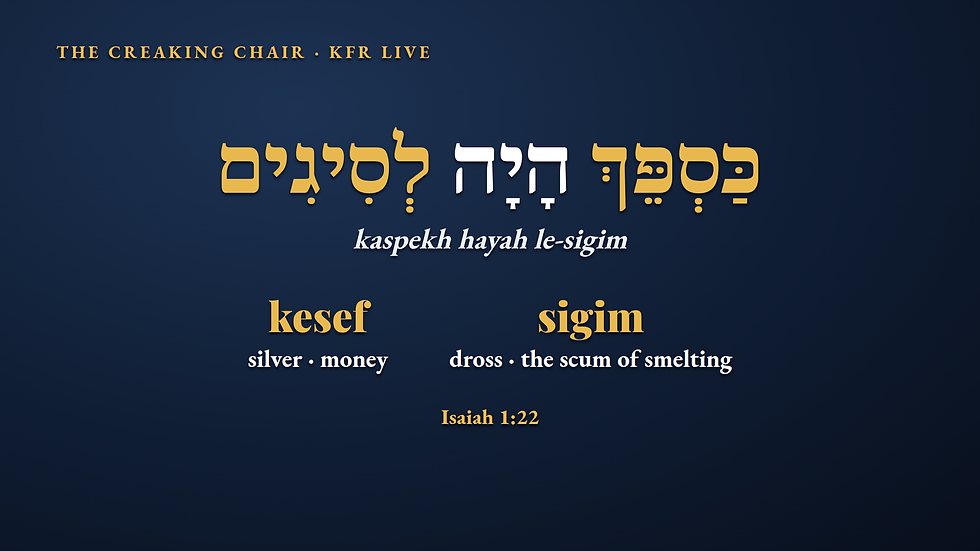
None of this makes gold itself righteousness, or Bretton Woods a biblical monetary system. It means an external measure was removed, and the integrity of money came to rest on the integrity of those who govern it. Isaiah saw where that leads:
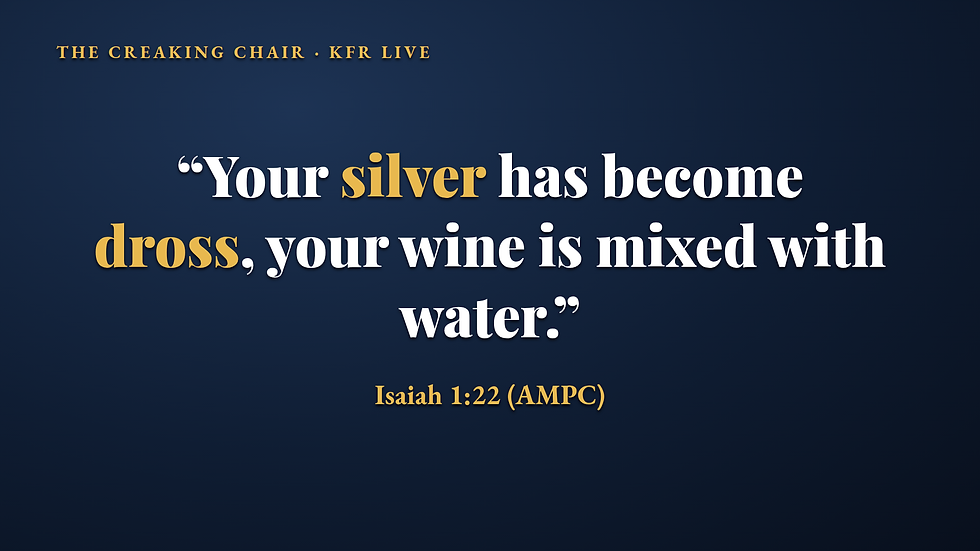
Your silver has become dross, your wine mixed with water. Isaiah 1:22, Amplified.
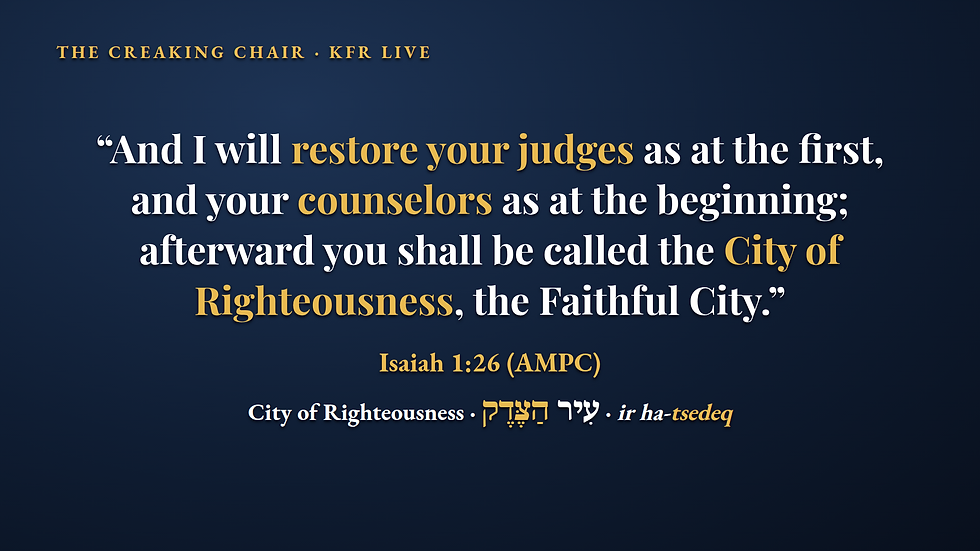
He turns at once to the rulers, and God's answer is the restoration of government itself:
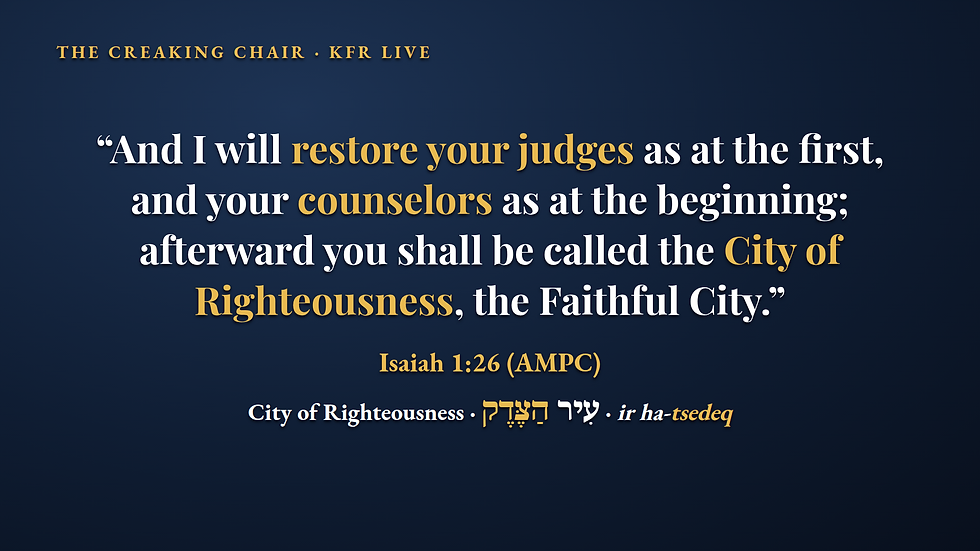
And I will restore your judges as at the first, and your counselors as at the beginning. Afterward you shall be called the city of righteousness, the faithful city. Isaiah 1:26, Amplified.
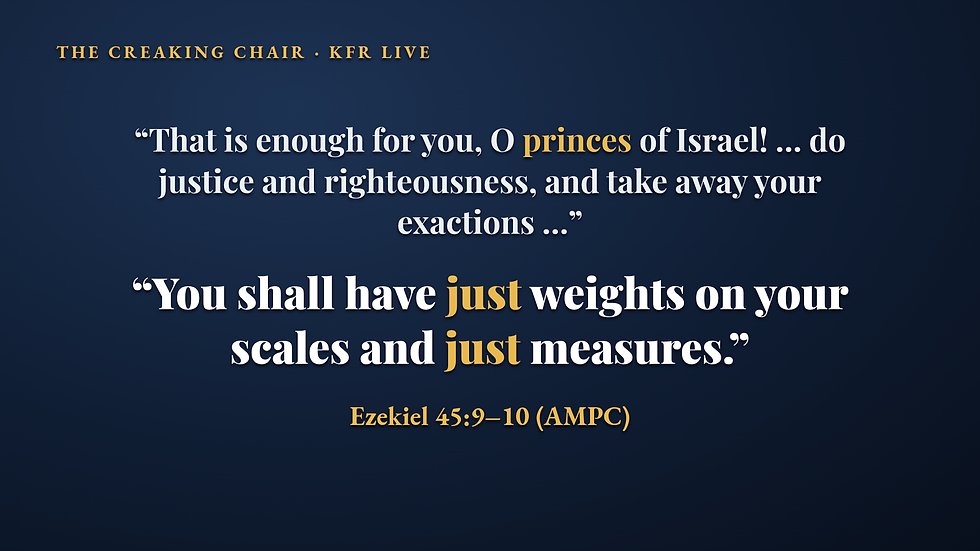
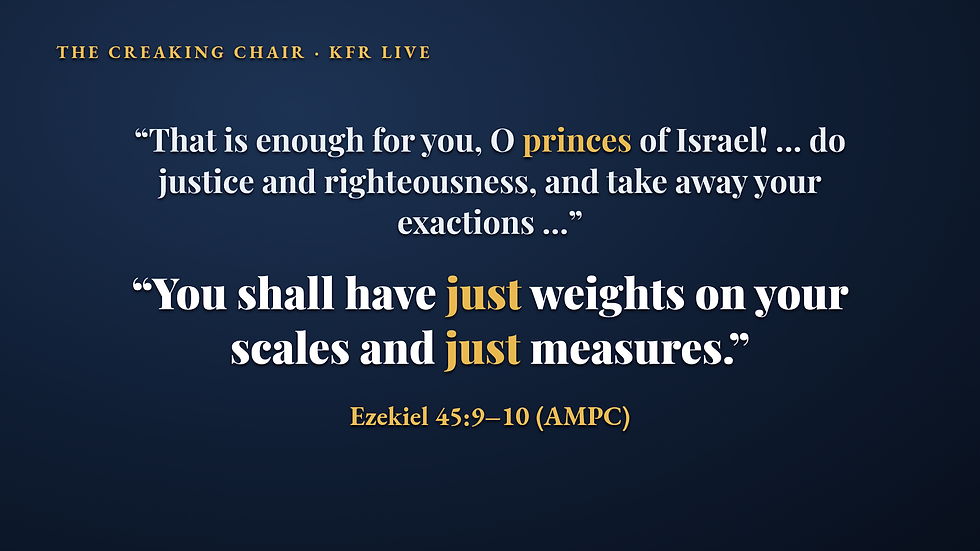
Ezekiel addresses the princes directly, tells them to stop their exactions from the people, and requires just balances and just measures. Economic integrity has always been part of righteous government.
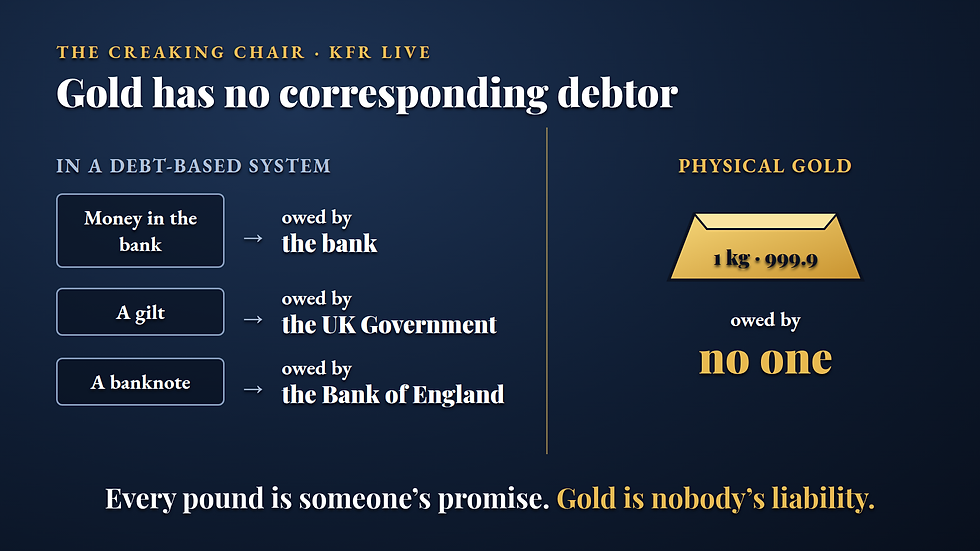
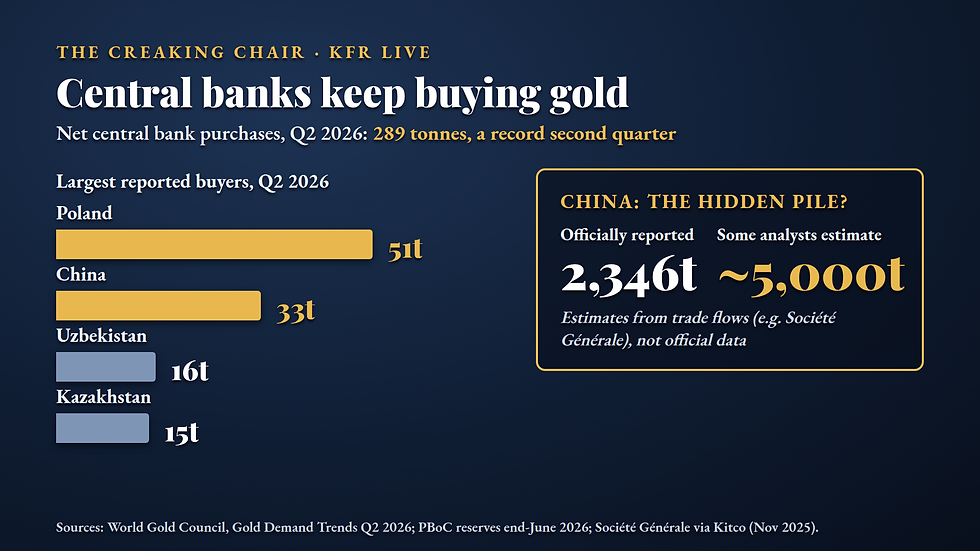
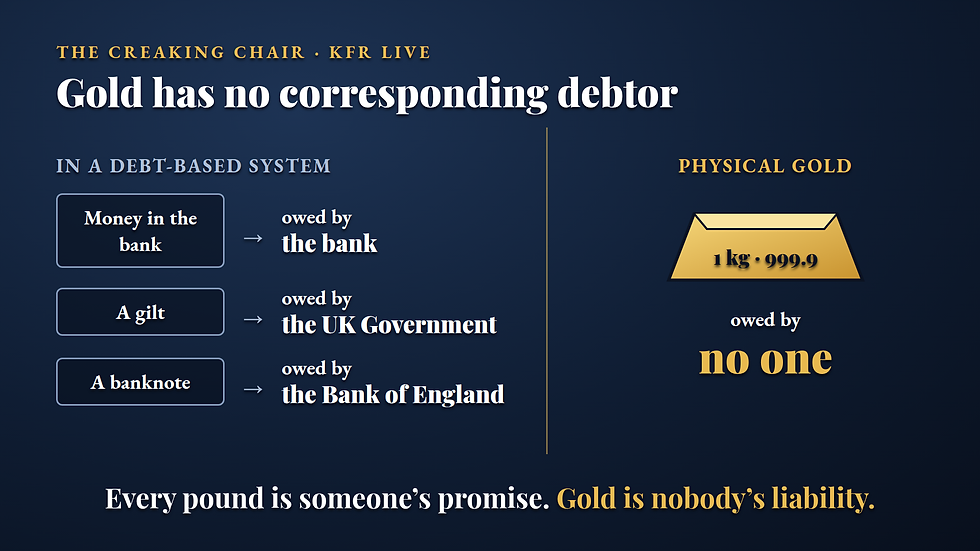
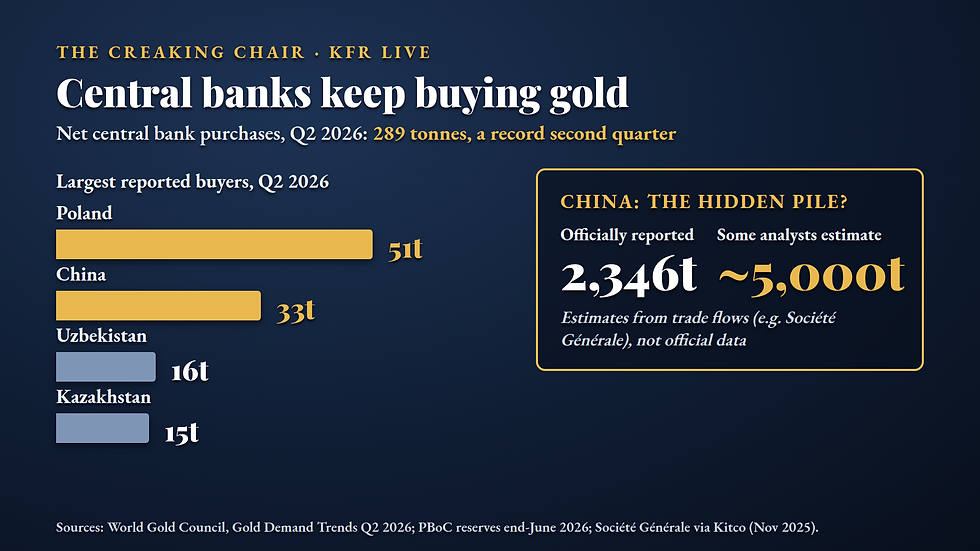
Meanwhile the world's central banks keep buying gold, 289 tonnes in the second quarter of this year alone. Gold has no corresponding debtor. It is nobody's liability. In a system built on promises, the institutions that issue the promises are holding the one asset that does not depend on anyone keeping one. Confidence, which carries the whole architecture, is being managed as carefully as the debt.
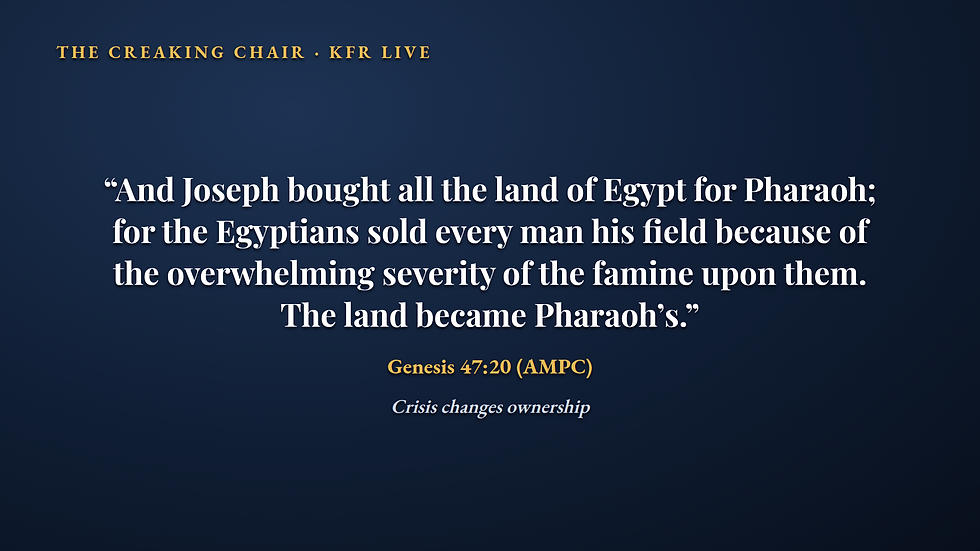
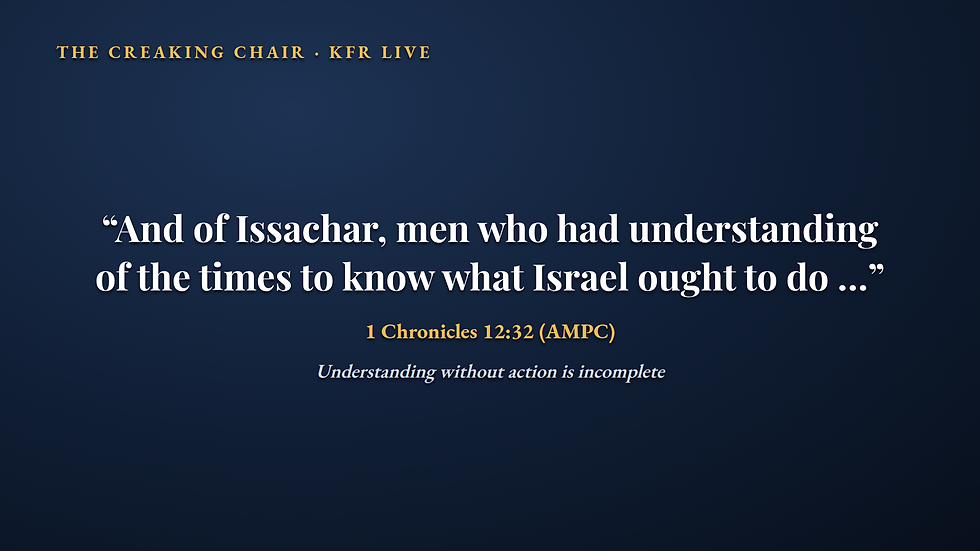
The sons of Issachar had understanding of the times, to know what Israel ought to do (1 Chronicles 12:32). Understanding the times is never the end of the matter — Joseph knew a famine was coming, and revelation produced administration: collection, storage, records and distribution. Before the famine he had the revelation and built the economic architecture the season required. Genesis 47 records the rest of the story. As the famine went on, the Egyptians spent their money, then their livestock, and finally their land passed to Pharaoh. Preparation saved a nation.
Micah shows us how:
The Breaker will go up before them. They will break through, pass in through the gate and go out through it, and their King will pass on before them, the Lord at their head.*Micah 2:13, Amplified.
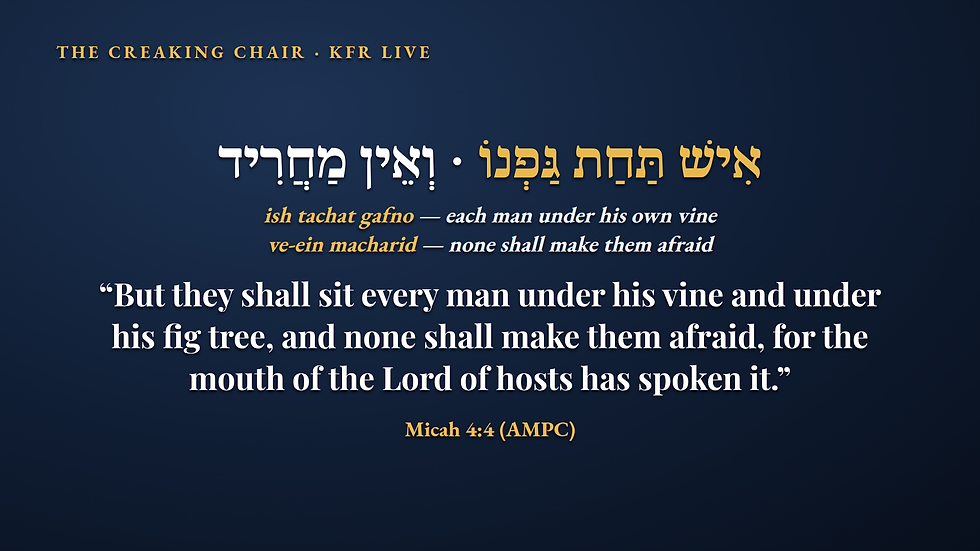
But they shall sit every man under his vine and under his fig tree, and none shall make them afraid, for the mouth of the Lord of hosts has spoken it. Micah 4:4, Amplified.
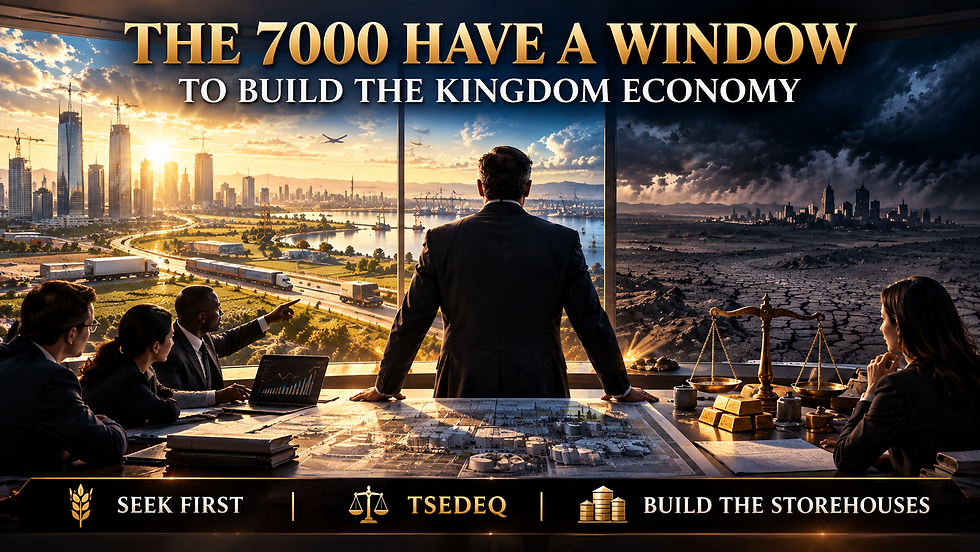
Egypt's famine ended with the land in Pharaoh's hands. Micah's Kingdom ends with every man under his own vine, his ownership productive, distributed and secure. That is the economy the 7000 are called to build. Like Joseph, we have a window. We hear the King, we understand our assignment, we establish righteous weights and measures, and we build what He tells us to build.
The chair may creak for another week, another year or much longer. While it stands there is work to do, and the King's people are not afraid of the sound. The question for each of us is the one this session closes on: what is the King telling us to build in the economic gate now?
---
**Scripture Focus**
Genesis 23:16 · Leviticus 19:35-36 · Matthew 6:33 · Isaiah 1:22, 26 · Ezekiel 45:9-10 · 1 Chronicles 12:32 · Genesis 47:20 · Micah 2:13 · Micah 4:4 — AMPC
---
This session can also be viewed on:
Rumble: @The7000
Spotify: The 7000 Kingdom Finance Seminars
Apple Podcasts: The 7000 Kingdom Finance Seminars
---
Comments